On Hawaiʻi Island, Kona Brewing Hawaiʻi is turning sunshine, reclaimed water, local partnerships, and a strong sense of responsibility into a more sustainable way to brew.
On the western coast of Hawaiʻi Island, black volcanic landscapes meet the blue Pacific, sunlight sparkles on the waves, and mountains rise dramatically behind the town of Kailua-Kona. It is easy to see paradise. But living and doing business on an island also makes something else unusually visible: natural resources are precious. Water, energy, waste, local food production, and the health of the surrounding ocean all matter.
For Kona Brewing Hawaiʻi, that landscape isn’t just scenery around the brewery. The natural environment helps shape how the brewery operates.
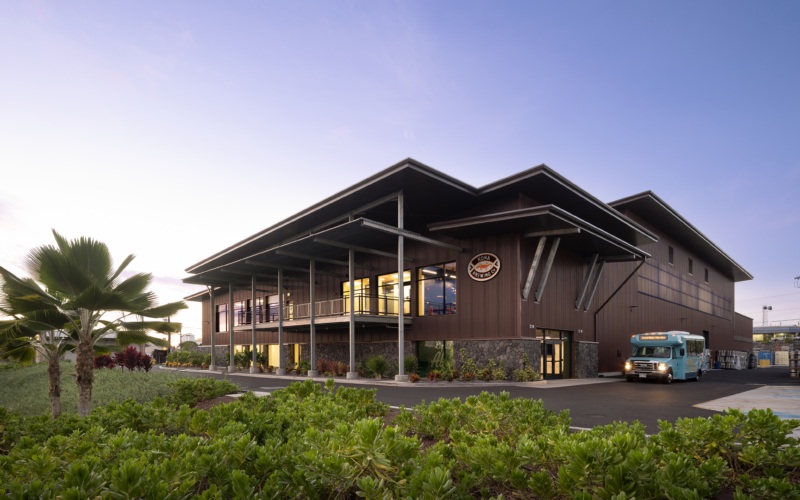
Founded in Kailua-Kona in 1994 by father-and-son team Cameron Healy and Spoon Khalsa, Kona Brewing has grown into one of Hawaiʻi’s most recognizable beer names. Today, Kona Brewing Hawaiʻi is independently owned, and it brews beer for Hawaiʻi at its Kailua-Kona brewery. The modern production brewery opened in 2021, adding capacity while incorporating sustainability into the facility’s design and operations.
For Katie Lefsrud, Kona Brewing Hawaiʻi’s Vice President of Sales & Marketing, environmental stewardship is more than a business practice, it is central to the brewery’s identity and its relationship with the island community. As one of Hawaiʻi’s most recognizable beer brands, Kona Brewing recognizes both the responsibility and the opportunity “to truly lead by example.”
That commitment is rooted in the brewery’s deep connection to Hawaiʻi and its natural environment. Lefsrud describes a shared responsibility, particularly among businesses, “to be positive contributors to this beautiful island.”
“You look around, and you’re inspired,” she said.
An Ecosystem within the brewery
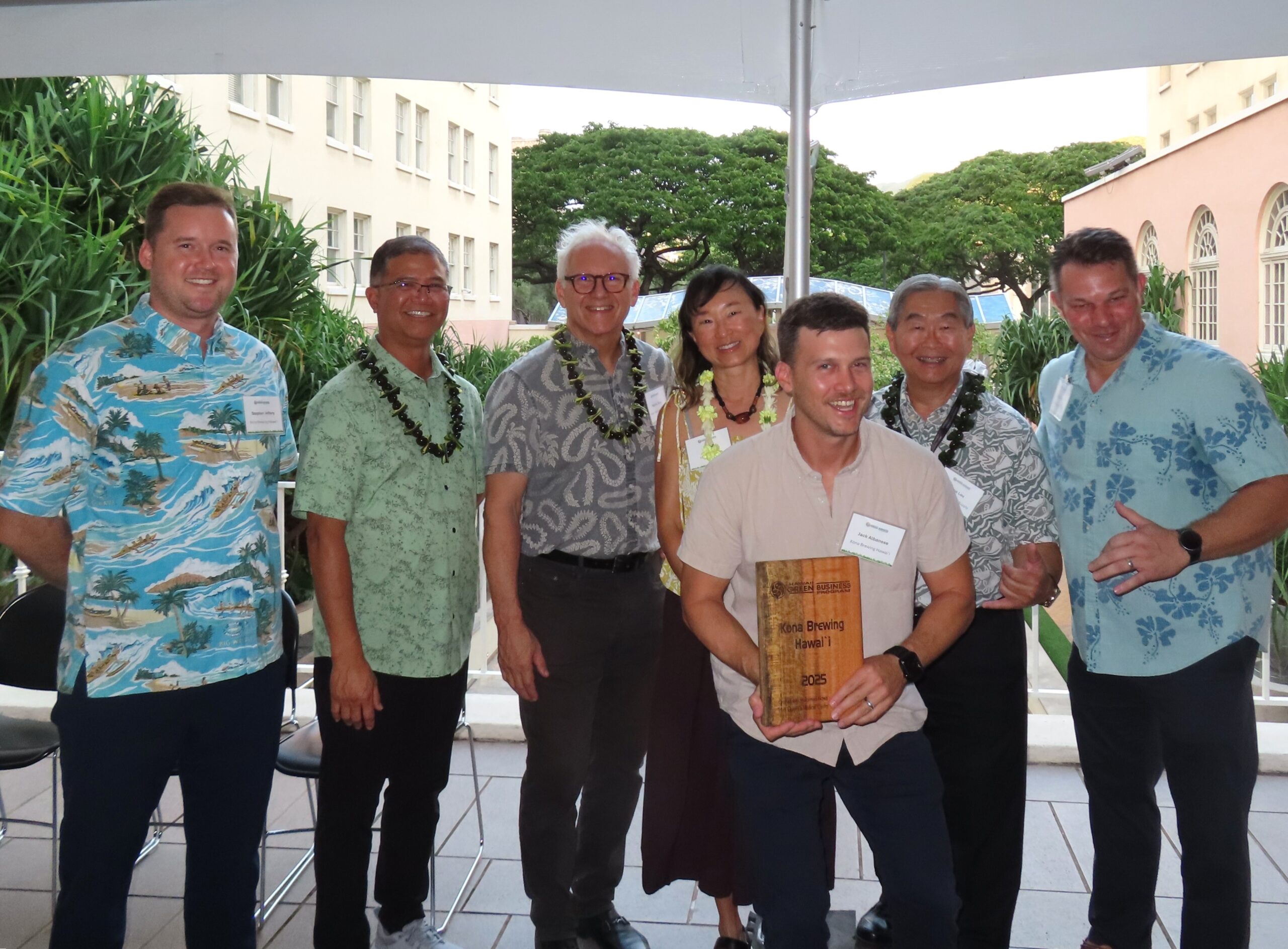
That philosophy helped earn Kona Brewing Hawaiʻi recognition in September 2026 from the Hawaiʻi Green Business Program (HGBP) for the brewery’s commitment to energy and water efficiency, waste reduction, pollution prevention, and community involvement. HGBP used BetterBev’s brewery sustainability assessment workbook to review Kona’s practices, and a co-branding partnership lets BetterBev share Kona’s achievements with a national audience. The partnership grew out of an introduction facilitated by the Green Business National Network (GBNN), which connected HGBP with BetterBev.
When asked which of Kona’s sustainability accomplishments makes her most proud, Lefsrud doesn’t point to a particular solar array, piece of equipment, or water-saving technology.
“There’s not one system,” Lefsrud explained. “It’s an entire ecosystem of practices at our brewery and restaurant that work together.”
That integrated approach may be the most interesting part of Kona’s story.
The brewery harnesses Hawaiʻi’s abundant sunlight through a large solar array. It treats wastewater onsite, reclaiming it for other purposes. Kona’s modern mash press uses far less water and grain than conventional equipment. The brewery also keeps useful materials circulating rather than treating them as waste.
“We make our beer. We donate our spent grain to local farmers. We work with those local farmers to bring produce and products into our kitchen,” Lefsrud explained. The restaurant, in turn, focuses on sustainable ingredients and recyclable materials.
Water provides another example. In relatively dry Kona, conserving freshwater is especially important. The brewery pretreats and reclaims wastewater for non-brewing uses, including floor cleaning and toilet flushing.
“We don’t use it in our beer,” Lefsrud joked, “but it’s this big ecosystem that all kind of feeds itself.”
Rather than a collection of isolated environmental projects, Kona’s approach connects brewing, water, energy, food, agriculture and waste reduction. The brewery describes this responsibility as part of its kuleana, its responsibility to care for the place it calls home.
Progress not perfection
Another part of Kona’s story may be especially useful to breweries exploring sustainability recognition: none of this requires pretending sustainability is effortless.
“It’s not perfect. I don’t want to over-glamorize it,” Lefsrud said.
Equipment breaks. Systems require maintenance. Not every bit of spent grain gets captured. And operating sophisticated equipment in a tropical environment presents its own challenges. Kona responds through preventive maintenance, problem-solving, collaboration with local government, and a willingness to keep improving.
That willingness to acknowledge imperfection is important. Pollution prevention doesn’t necessarily begin with a new brewery, a major capital investment, or a perfect sustainability plan. It can begin with a careful examination of how a business uses water, energy, and materials, and by identifying the next practical opportunity to do better.
Kona has taken some large steps. But Lefsrud emphasizes that sustainability can start much smaller.
Great beer and a larger purpose
Kona also sees environmental responsibility as part of its relationship with employees. Lefsrud believes the brewery’s environmental and social values help it recruit and retain people who want their work to contribute to something larger.
Employees, she said, can be part of a business that wants to “do good for the world. And make great beer along the way, which is fun.”
That combination of purpose, community, and good beer may also explain why the brewing industry is particularly well suited to programs like the Hawai’i Green Business Program and BetterBev.
Asked what advice she would give another brewery interested in becoming more sustainable, Lefsrud’s answer was refreshingly simple:
“Just ask for help. Go grab a beer with somebody and just ask.”
She said the beverage industry is “built to be communal, and it’s built to support each other.” And the first sustainability project doesn’t need to be complicated. A brewery might start by making trash and recycling bins more effective or finding ways to reduce storage waste. Eventually, it might tackle something as ambitious as a new wastewater treatment system.
That may be the most useful lesson Kona Brewing Hawaiʻi offers other breweries.
You don’t have to replicate Kona’s brewery or live beside a volcano overlooking the Pacific to start. Look at the resources flowing through your own operation. Ask where water, energy, and materials are being lost. Talk to employees, neighboring businesses, technical assistance providers, and other brewers. Start with an achievable improvement and build from there.
Kona’s recognition illustrates how local and national efforts can complement one another. HGBP brings Hawaiʻi-based relationships and recognition; BetterBev provides a brewery-focused assessment resource and a national platform to share progress. Together, they can help more breweries receive recognition close to home while connecting their achievements to a wider community.
On Hawaiʻi Island, the spectacular surroundings remind Kona Brewing Hawaiʻi what is worth protecting. But the principle travels well beyond the islands: make great beverages, use resources thoughtfully, learn from others, and leave the place where you do business a little better than you found it.